
IKO Flashing Replacement: The Philadelphia Owner’s Guide
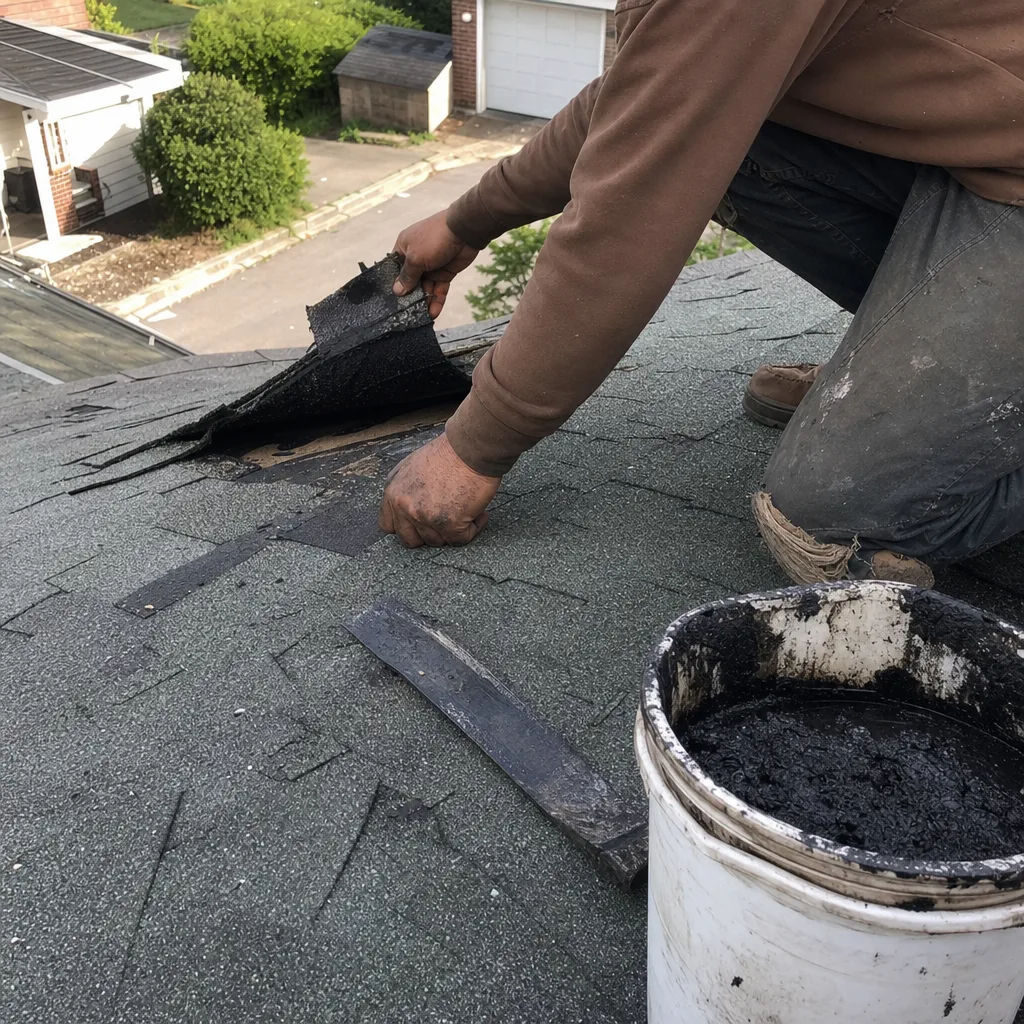
IKO flashing replacement in Philadelphia typically runs $340-$780 installed, depending on the location and how much surrounding material needs attention. We stock IKO-compatible step flashing, apron flashing, and vent pipe collars on every Ridgeline truck, and most replacements are completed in a single visit. Homeowners usually spot the problem first as a water stain on a ceiling or a drip that shows up hours after the rain stops, not during the storm itself.
Which IKO Models This Applies To
IKO’s flashing systems vary by shingle line, and matching the right profile matters more than most homeowners realize. Cambridge architectural shingles use a heavier-gauge step flashing with a 4-inch exposure leg, while Marathon 25 three-tab systems require the standard 3-inch leg to sit flat without buckling. Dynasty and Nordic lines use a slightly wider apron flashing at the eaves to accommodate their thicker laminated profiles.
To identify what you have, check the shingle bundle wrapper in your garage or look for the IKO stamp on the back of an exposed shingle tab. The flashing itself rarely carries a model number after years of weathering, but the measurements tell the story: step flashing pieces are 8×10 inches for standard applications, 10×12 inches for high-wind zones like Philadelphia’s riverfront neighborhoods. We carry both OEM IKO flashing and quality aftermarket equivalents from Aquabarrier and Drip Edge Supply; the aftermarket pieces match IKO’s galvanized specs but cost 15-20% less, and we warranty either one identically under our 90-Day Done Right Promise.
One compatibility gotcha we see in Fishtown and Kensington row homes: IKO’s older pre-2010 flashing had a narrower headlap that doesn’t interface cleanly with current shingle profiles. If your roof is original to a 1980s or 90s build, the replacement flashing needs to extend an extra inch up the wall to compensate for the modern shingle thickness.
Signs Your IKO Flashing Replacement Is Failing
- Water stains on interior walls or ceilings below roof-wall junctions. This is the classic tell for compromised step flashing. The galvanized steel has either corroded through at the bend or the sealant bed has dried and cracked, letting water run behind the siding. In Philadelphia’s freeze-thaw climate, that crack widens every winter.
- Rust streaks running down exterior walls from chimney or dormer corners. The flashing’s protective zinc coating has failed, usually from debris trapping moisture against the metal. Once rust starts, the flashing is eating itself from the inside out. We see this most often on north-facing walls in Chestnut Hill and Mount Airy where sun never fully dries the surface.
- Shingles lifting or curling at valleys and penetrations. The flashing beneath has shifted or the fastening pattern has loosened, breaking the seal that holds the shingle edge down. Wind gets underneath, and the shingle starts to taco. This accelerates fast in Philadelphia’s spring storm season.
- Visible gaps between flashing and brick or siding. Caulk and sealant have a ten-year lifespan in our climate, less if the wall gets direct afternoon sun. Once the bead separates, water has a direct path. The gap looks small from the ground; from inside the wall cavity, it’s a highway.
- Damp or musty attic smell after heavy rain. Water is entering somewhere and not finding its way to a visible stain yet. Flashing failure at a vent pipe collar is the most common culprit; the rubber gasket hardens and shrinks, creating a slow seep that evaporates in the attic before it drips through your ceiling.
Replacement Cost & What’s Included
| Service | Typical Range |
|---|---|
| Single vent pipe collar (IKO-compatible) | $180-$280 |
| Step flashing replacement (standard chimney or dormer, 8-12 pieces) | $420-$680 |
| Apron flashing at eaves (per linear foot) | $28-$42 |
| Valley flashing replacement (open valley, per linear foot) | $38-$55 |
| Wall-to-roof step flashing (per linear foot) | $32-$48 |
What drives the range: height and pitch of your roof, whether we need to remove and reset surrounding shingles, and if the underlying wall sheathing or fascia has taken damage. Our estimate includes the flashing material, matching IKO-compatible shingles for the repair zone, ice-and-water shield where code requires it, and full cleanup. The number we quote is the number on the invoice. Every flashing job carries our 90-Day Done Right Promise - if water finds a path we missed, we come back and make it right, no paperwork, no arguing.
DIY or Call Us?
There’s a safe middle ground here, and then there’s the point where a ladder and good intentions stop being enough. A homeowner can check the attic for fresh water marks after rain, look at the flashing from the ground with binoculars for obvious rust or gaps, and clear debris from valleys and behind chimneys. That’s useful intelligence, and it costs nothing.
What we don’t recommend: pulling shingles to expose flashing, working on a roof with pitch steeper than 4:12, or trying to bend and seat new flashing without understanding how the shingle courses overlap above it. Improperly lapped flashing channels water straight into the wall cavity. The repair looks fine from the ground and fails catastrophically in the next storm. We’ve re-replaced too many DIY jobs in South Philly where someone used the wrong gauge or skipped the ice-and-water shield at the critical headlap. Ned Calloway put it plain years ago: “A roof doesn’t lie - and neither do I.” If you’re not comfortable walking the pitch, call us. Our background-checked, uniformed technicians document every inspection with photos from your actual roof, and most flashing replacements are done in a single visit with the parts already on the truck.
FAQs
Quality galvanized flashing lasts 20-30 years in Philadelphia, but the rubber gaskets on vent pipe collars typically fail in 8-12 years from UV exposure and freeze-thaw cycling. Proximity to the Delaware or Schuylkill accelerates corrosion from salt air. Call (855) 554-5116 and we’ll inspect what you have - estimates are free.
Small sealant failures can be addressed with proper urethane flashing cement, but once the metal itself is rusted, creased, or improperly lapped, replacement is the only lasting fix. Patch jobs on compromised flashing usually leak again within 18 months. We don’t do temporary repairs we wouldn’t stand behind. Call (855) 554-5116 for an honest assessment.
Most residential flashing replacements are completed in 2-4 hours, including setup, shingle removal and reset, and cleanup. Complex jobs involving multiple penetrations or steep pitches may extend to a full day. We arrive with the parts and complete the work in one visit whenever possible. Call (855) 554-5116 to schedule.
Yes. We carry IKO-compatible step flashing, apron flashing, drip edge, and vent pipe collars in the standard Philadelphia sizes on every Ridgeline truck. For unusual custom profiles or older IKO systems, we can source within 24 hours from our supplier in Montgomery County. Call (855) 554-5116 and we’ll confirm compatibility before we arrive.
Written by Ned Calloway, Owner, Ridgeline Roofing Co. of Philadelphia at Ridgeline Roofing Co. of Philadelphia, serving Philadelphia and nearby areas.