
Fast, Reliable Specialty Roofing Across Philadelphia
Specialty roofing in Philadelphia runs $8,500-$18,000 for most flat-roof rowhouse replacements, with repairs starting around $450 and emergency leak patches available same day. Ridgeline Roofing Co. has worked on Philadelphia roofs since 2016, and our Specialty Roofing team knows the difference between a standard job and one that accounts for this city’s peculiar building stock. We’re usually on site in Center City, Pennsport, or Fishtown within two hours of your call. Our phones are answered by a live person 24 hours a day - no voicemail, no callback window. Call (855) 554-5116.
Philadelphia is not like other cities. The attached brick rowhouses that line streets from South Philly through Kensington and West Philadelphia share party walls and carry flat or nearly flat roofs with parapet walls that most contractors from outside the region have never properly inspected. A roofer trained on pitched suburban shingles will miss the failure points that matter here. We don’t.
Why Ridgeline Roofing Co. of Philadelphia Is Philadelphia’s Preferred Specialty Roofing Company
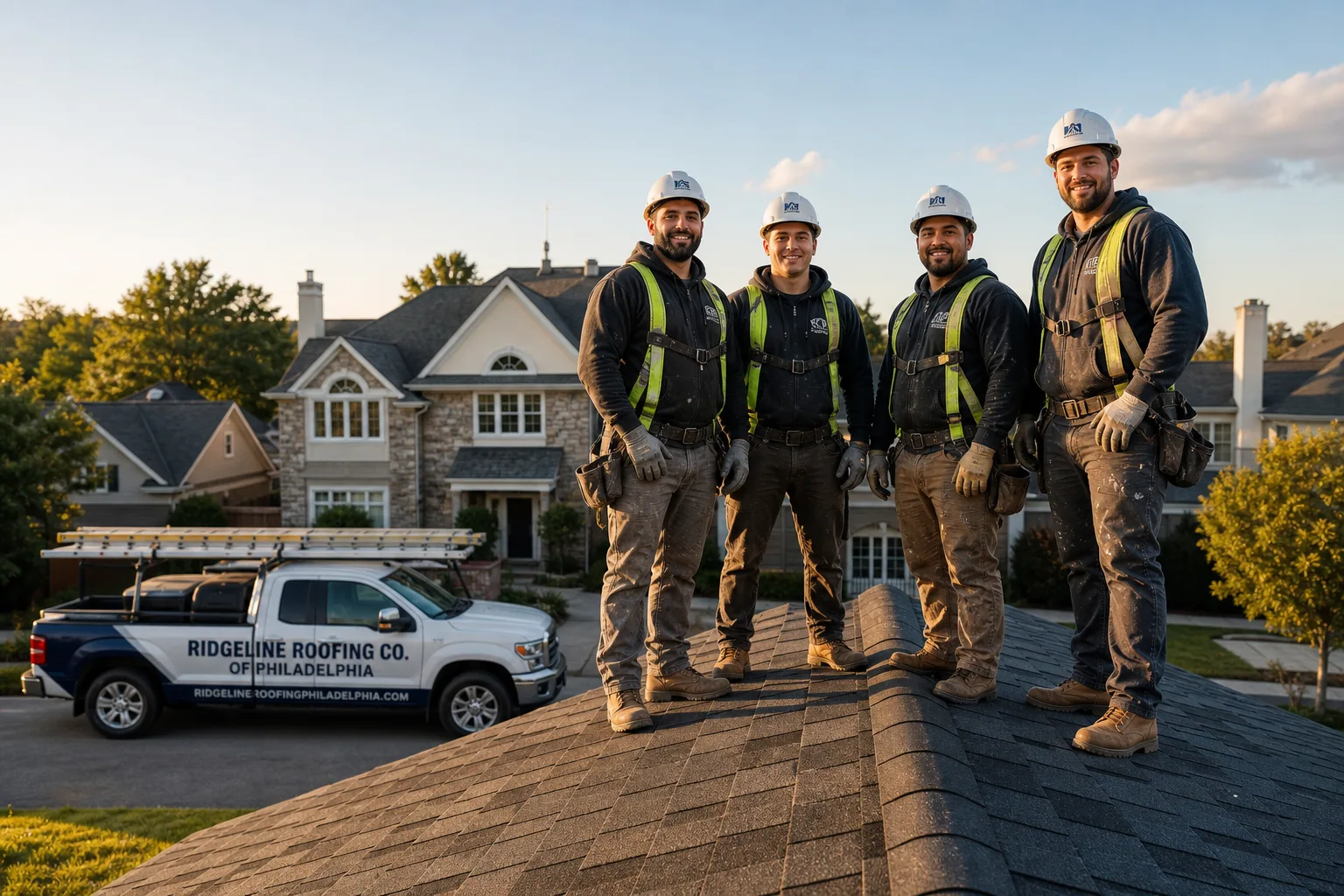
We’ve been on Philadelphia roofs for over 42 years. Ned Calloway founded this company in 1984, and since then we’ve trained local apprentices into journeymen who understand how water moves through a 1920s rowhouse differently than through a ranch in the Northeast. Our crews are background-checked, uniformed, and equipped with photo-documentation gear - every inspection produces images taken from your actual roof, not a sales pitch in your driveway.
Philadelphia homeowners call us because we answer the phone. A live person, day or night, weekend or holiday, including the middle of a storm. No automated system, no “leave a message and we’ll call back.” When a parapet wall fails during a February freeze-thaw cycle, you need a voice on the line, not a recording.
Our 90-Day Done Right Promise is written, not implied. If something isn’t right, we come back and make it right. No paperwork to file, no argument about whether the issue is “in scope,” no runaround. The price we quote is the price you pay. That’s the square deal Philadelphia homeowners have come to expect from us.
We are authorized installers for GAF, CertainTeed, Owens Corning, and four other manufacturer lines. We don’t substitute materials. What we specify is what goes on your roof.
Our Specialty Roofing Services in Philadelphia
Modified Bitumen Roofing
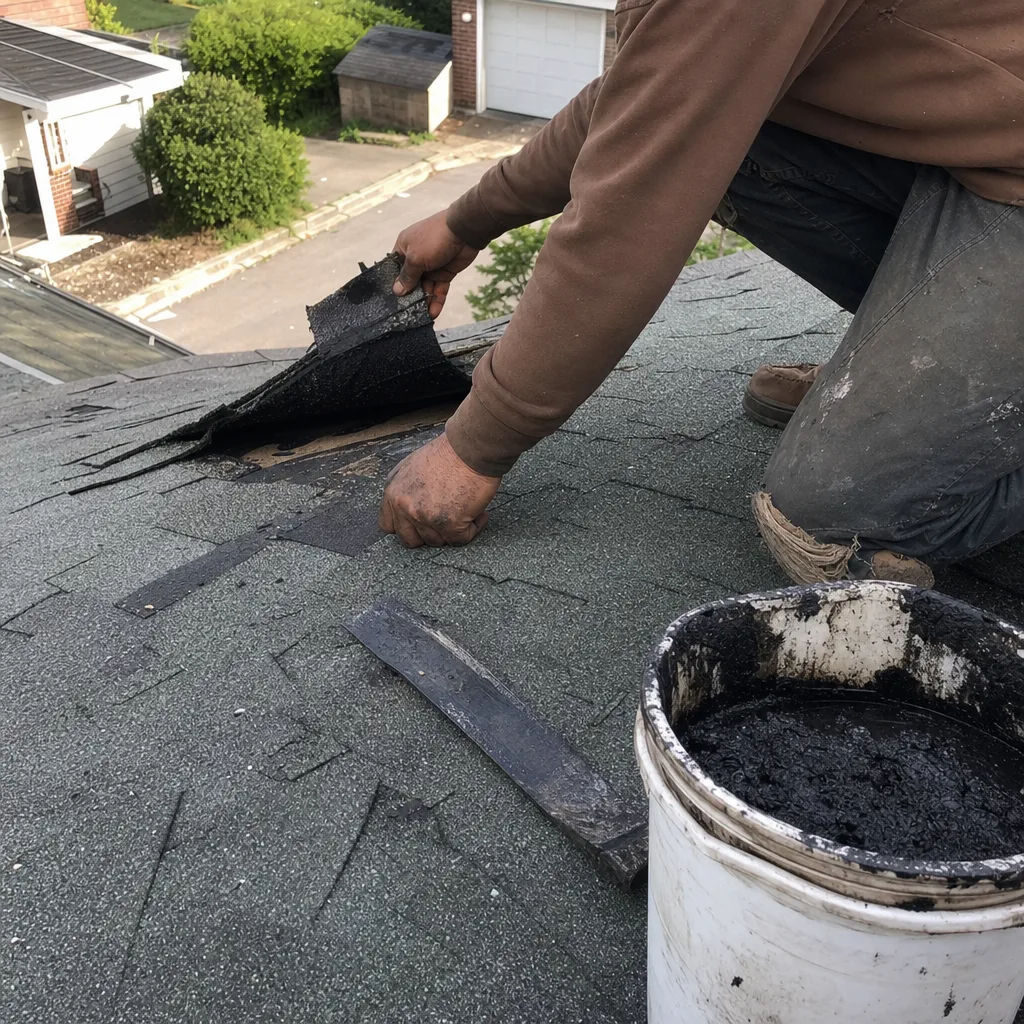
Modified bitumen is the workhorse of Philadelphia rowhouse roofing. The multi-ply system holds up to foot traffic during maintenance, resists the punctures from HVAC service calls, and flexes through our 20-30 annual freeze-thaw cycles without cracking at the seams. In neighborhoods like Fishtown and Kensington, where rear shed extensions and parapet walls create complex geometries, we torch-apply or cold-adhere modified bitumen to form continuous membranes that won’t separate at the corners. Last spring, we replaced a failing modified bitumen roof on a 1920s rowhouse in Fishtown where the parapet cap flashing at the shared wall had separated, sending water into the neighbor’s kitchen. We re-flashed the entire party-wall junction with GAF membrane and installed new pitch pockets around the HVAC penetrations. The job took one day. The neighbor’s ceiling dried out. Done right - and if it is not, we make it right.
EPDM Roofing
EPDM, the black rubber membrane common on commercial buildings, appears on thousands of Philadelphia rowhouses where owners want a single-ply system with proven longevity. The challenge in Philadelphia is drainage. Older homes in Pennsport and South Philly often have original roof drains that clog with debris from nearby trees or with sediment from decades of flat-roof neglect. Ponding water on EPDM accelerates deterioration at seam tape and around penetrations. We inspect and clear drains as part of every EPDM installation or repair, and we specify tapered insulation when the substrate has settled into low spots. A ponding roof in July will hit 160°F surface temperature. That heat cooks the adhesive. We fix the drainage first, then the membrane.
TPO Roofing
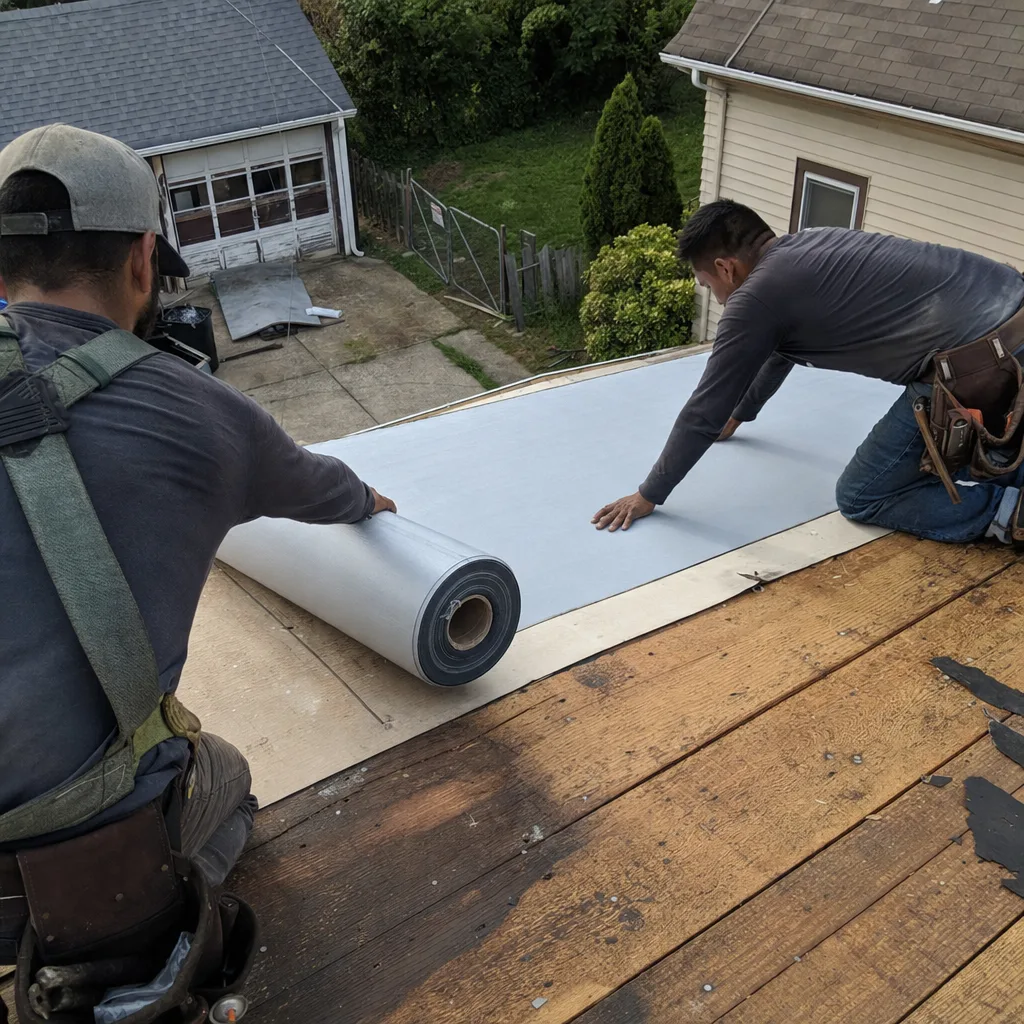
TPO’s white reflective surface appeals to Philadelphia homeowners fighting summer heat gain on flat roofs with no attic space to buffer the sun. But TPO in Philadelphia carries a specific risk: UV embrittlement on unshaded surfaces. Without ridge ventilation - impossible on a flat rowhouse roof - the membrane sits in direct radiation all day. We’ve seen TPO installations from out-of-town contractors fail in five years because the specified membrane thickness was inadequate for zero-shade exposure and the seams were heat-welded in wind conditions that weakened the bond. We install TPO with proper mil thickness, weld seams in appropriate weather, and always detail the parapet wall terminations where Philadelphia’s wind-driven rain finds every gap.
Built-Up Roofing
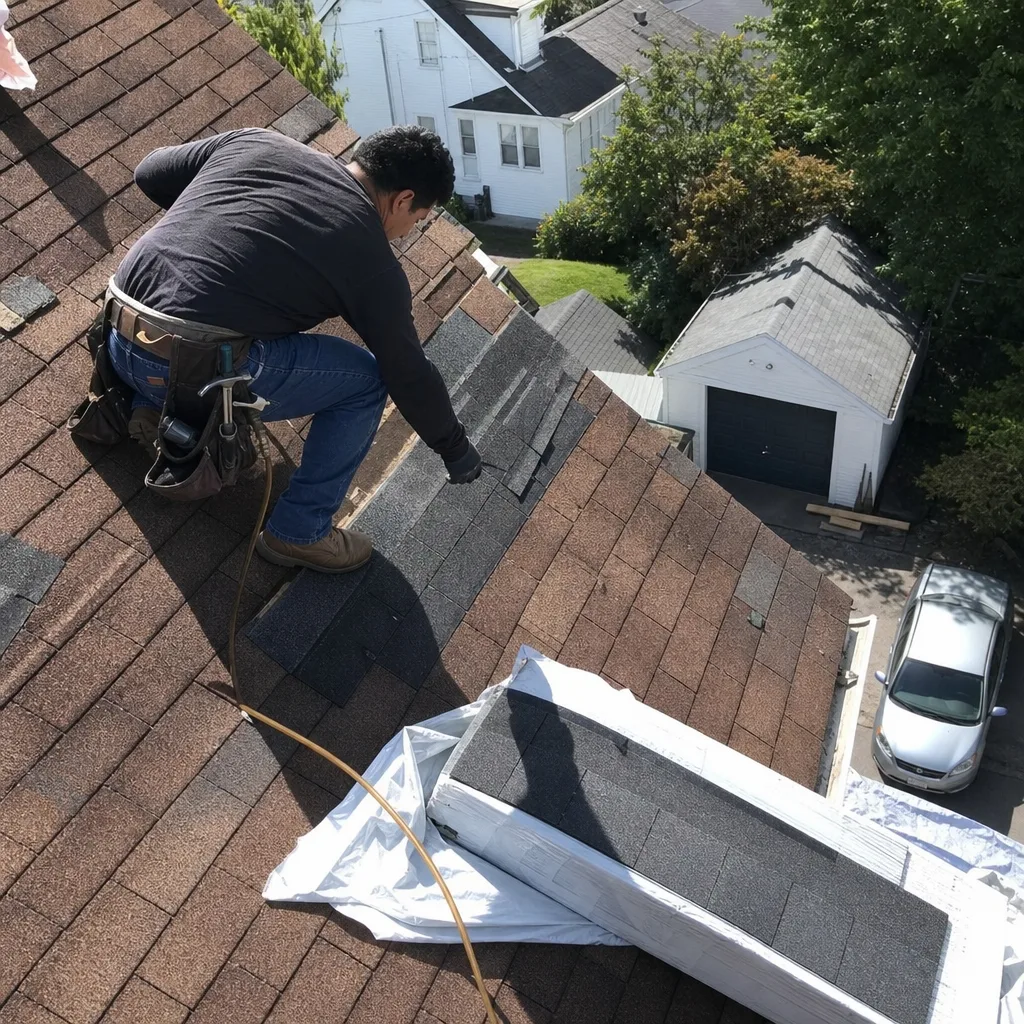
The traditional “tar and gravel” system still has a place in Philadelphia, particularly on historic rowhouses where building codes or preservation requirements restrict newer materials. Built-up roofing provides the mass and redundancy that some owners prefer, and the gravel surfacing protects against the foot traffic common on city roofs where HVAC technicians, satellite installers, and homeowners themselves walk the surface. We install built-up systems with fiberglass ply sheets and asphalt or coal-tar pitch, depending on the application. The work is heavier and more labor-intensive than single-ply alternatives, but on certain Philadelphia structures, it remains the appropriate choice. We’ll tell you when that’s the case. We won’t sell you a system that doesn’t fit your building.
Solar Ready Roofing
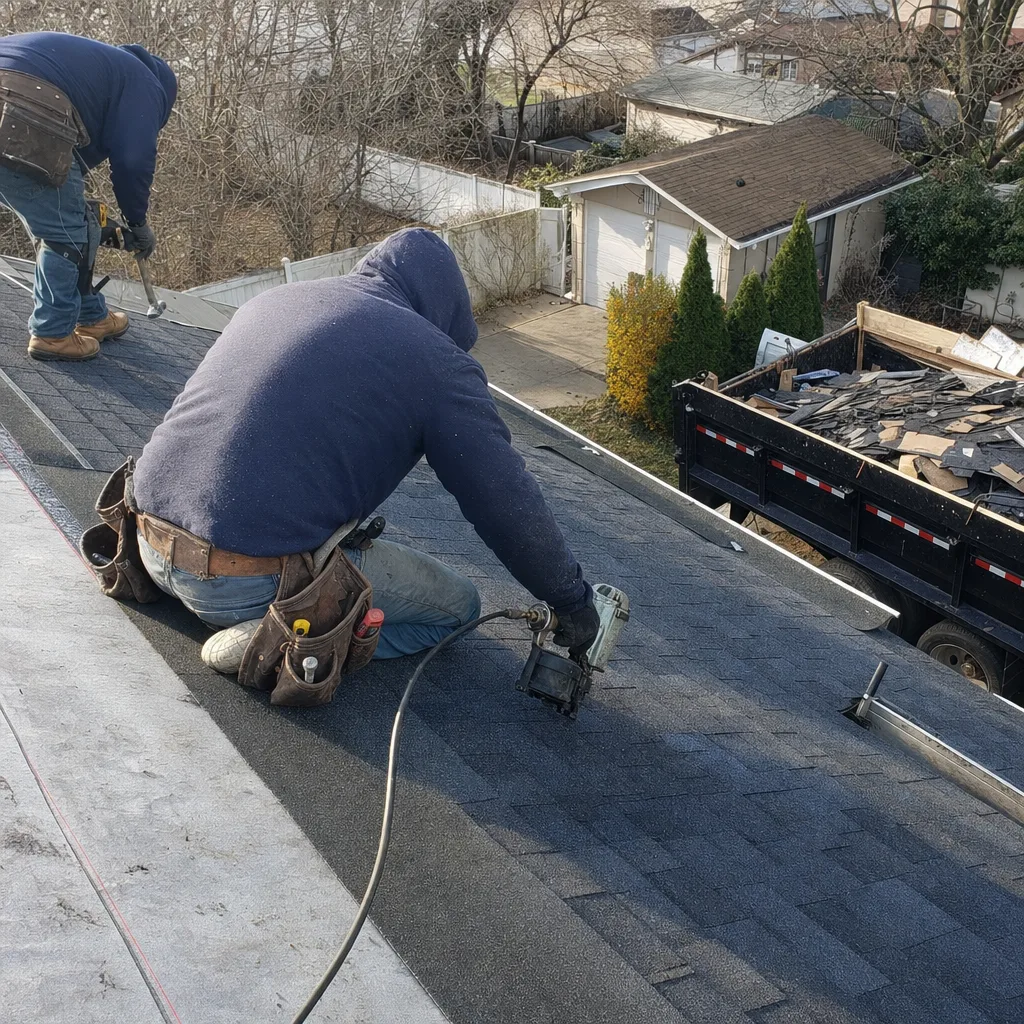
Philadelphia’s flat rowhouse roofs are increasingly hosting solar arrays, but panels installed over a failing membrane guarantee two expensive problems. Our solar-ready roofing service specifies membranes and flashing details designed for the additional penetrations, ballast loads, and service traffic that solar installations require. We coordinate with your solar contractor or recommend local electricians we’ve worked with before. The roof we install will outlast the panel warranty. That’s the only way to do it.
Green Roof Systems
Green roofs - vegetated assemblies with growing medium and drainage layers - are viable on Philadelphia rowhouses with adequate structural capacity and proper waterproofing. The city’s stormwater management incentives make them financially attractive for some owners. We install the underlying waterproofing membrane, root barriers, and drainage composites that green roofs demand, working with landscape architects who specify the planting layer. Not every rowhouse can support the saturated weight. We assess structural load before recommending this option. No surprises.
What happens when you call
- 1
A real person answersNo phone trees - you reach a local pro.
- 2
You get an upfront price rangeHonest numbers before anyone is dispatched.
- 3
A background-checked tech heads outLicensed & insured, dispatched right away.
- 4
You approve before work beginsNothing starts until you say go.
Trusted Brands We Service in Philadelphia
We are authorized installers for GAF, CertainTeed, Owens Corning, IKO, Atlas, Tamko, and Boral. For Philadelphia customers, this means we stock membranes, adhesives, and flashing components locally - not ordered from a warehouse three states away when your parapet wall is leaking into the dining room. Our relationships with these manufacturers let us honor their material warranties without the “installer not authorized” denial that homeowners sometimes face with storm-chasing contractors who buy leftover stock. When we specify GAF modified bitumen or CertainTeed flashing, that’s what arrives on the truck. No substitutions. No “equivalent” products that aren’t.
Common Specialty Roofing Problems We See in Philadelphia Homes
- Parapet cap flashing separation at party-wall lines. This is the signature failure of Philadelphia rowhouse roofing. The cap flashing sits exposed on both sides of the shared wall, expands and contracts through freeze-thaw cycles, and eventually separates at the seams. Water tracks down the interior masonry and surfaces as a leak inside the neighbor’s house - often with no visible damage in the originating home. Experienced Philly roofers inspect and re-flash this junction on every job.
- Ponding water on low-slope EPDM roofs from clogged drains. Original cast-iron roof drains on pre-war rowhouses accumulate debris, sediment, and in some neighborhoods, the odd tennis ball or construction waste from decades of undocumented work. Standing water adds load, breeds mosquitoes, and degrades membrane adhesive. We clear drains and install strainers as standard practice.
- UV embrittlement of unshaded TPO membrane. Philadelphia’s summer sun on a flat, unventilated roof surface creates conditions that thinner TPO membranes weren’t designed for. Seams crack. The membrane chalks and shrinks. We specify adequate mil thickness and install proper termination bars at parapet walls to prevent wind uplift and water infiltration.
- Failed pitch pockets around HVAC and vent penetrations. Every rowhouse roof has penetrations - bathroom vents, kitchen exhausts, HVAC lines. The pitch pockets (sealed collars) that waterproof these penetrations dry out, separate, or get disturbed by service technicians. They’re small, they’re out of sight, and they cause disproportionate damage when they fail. We inspect every penetration during every service call.
Pricing for Specialty Roofing in Philadelphia, PA
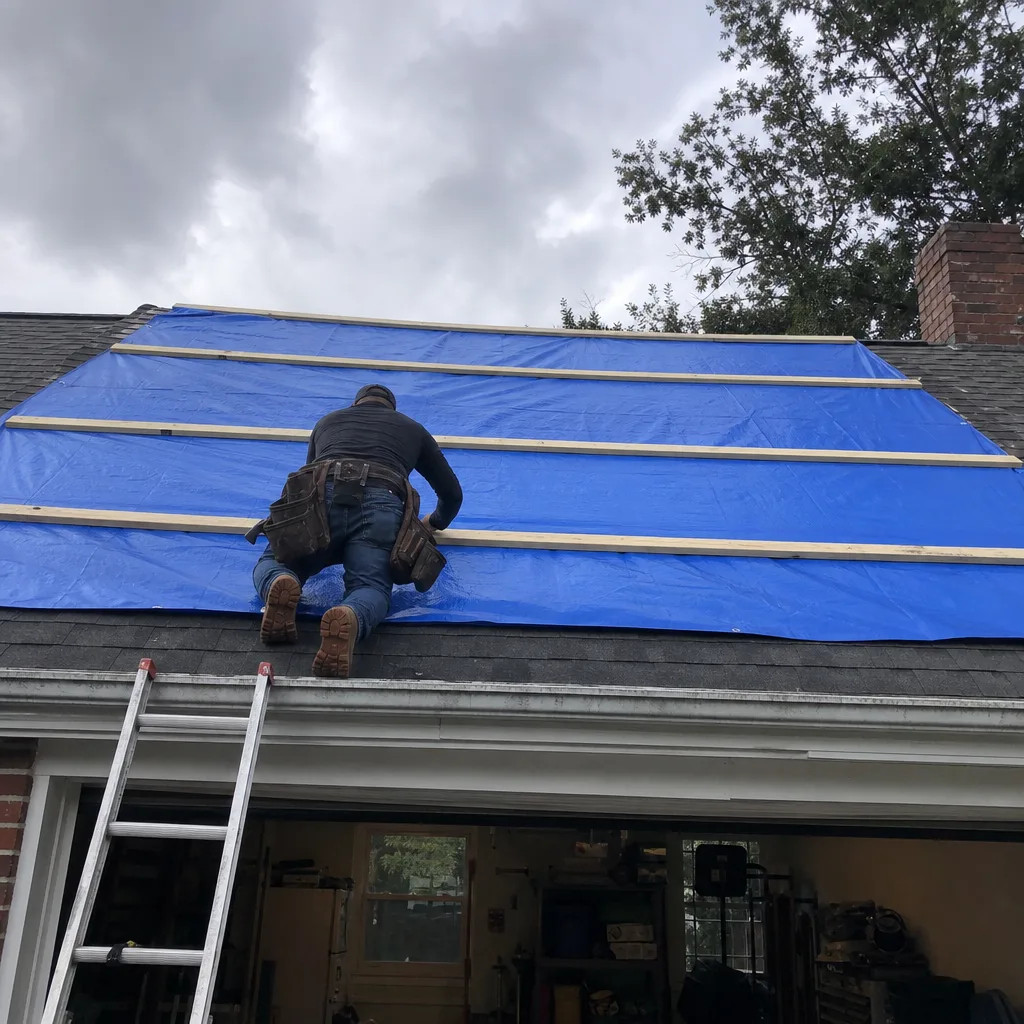
Most Philadelphia rowhouse flat-roof replacements fall between $8,500 and $18,000, depending on square footage, substrate condition, and the number of penetrations and parapet walls. Repairs for isolated leaks typically run $450-$1,200. Emergency tarping and temporary patching start around $350. Modified bitumen installations average $12-$18 per square foot in Philadelphia’s market. EPDM runs $10-$16 per square foot. TPO with proper thickness and full seam welding ranges $11-$17 per square foot. Built-up roofing, with its additional material and labor, typically costs $14-$22 per square foot.
What moves the number: access (can we get materials to the roof through the house, or do we need a crane on a narrow Philadelphia street?), substrate replacement (how much rotted decking sits under the old membrane?), and the condition of parapet walls and flashing that must be rebuilt before new roofing goes down. We provide upfront pricing after inspection - the number on the estimate is the number on the invoice. Call (855) 554-5116 for a free estimate. Most inspections take under an hour, and we can often start work the same day you approve.
We Also Serve Cities Near Philadelphia
Our crews work throughout Philadelphia and across the river into Camden and Pennsauken, with regular jobs in Center City’s high-rise residential buildings and Pennsport’s dense rowhouse blocks. The same standards apply: live phone answer, background-checked technicians, photo-documented inspections, and the 90-Day Done Right Promise. If you’re in a neighboring community and your roof is flat, low-slope, or otherwise outside the ordinary, we should talk.
Serving Philadelphia, PA - Our Local Coverage Area
We’re based in the Philadelphia area and know this community well. Use the map below to see our service coverage - if you’re nearby, we can almost certainly help.
FAQs - Specialty Roofing in Philadelphia
Because water follows the path of least resistance down the shared masonry party wall, and the leak origin is often the parapet cap flashing at the wall line - exposed on both sides, vulnerable to separation, and hidden from view until damage appears below. The neighbor’s plaster or drywall is frequently the first visible casualty. We inspect and re-flash this junction on every rowhouse job, regardless of where the interior stain shows. Call (855) 554-5116 if you suspect a party-wall leak - we’ll trace it to the source.
Modified bitumen offers the best balance of durability, repairability, and cost for most Philadelphia rowhouses, particularly those with HVAC equipment and regular foot traffic. EPDM and TPO are excellent alternatives for specific conditions - EPDM where simple geometry and proven longevity matter, TPO where reflectivity and energy efficiency are priorities. Built-up roofing suits historic structures and certain code-restricted applications. We recommend based on your building, not our preference. Call for a free inspection and we’ll walk you through the match.
Yes. The City of Philadelphia requires a building permit for roof replacement on all residential structures, including rowhouses. The permit application typically requires a site plan, structural details, and specification of materials. We handle permit procurement as part of our standard project workflow - our familiarity with Philadelphia’s Department of Licenses and Inspections means we know the documentation they expect and the common errors that delay approval. You won’t need to visit Municipal Services. We’ll be there when we say, with paperwork in order.
Philadelphia averages 20-30 freeze-thaw cycles each winter. Water infiltrates microscopic gaps in membrane seams, parapet flashing, and pitch pockets during warm spells, then expands as it freezes, widening the gap for the next infiltration. By March, a seam that was watertight in October has opened enough to admit significant leakage. Flat roofs are especially vulnerable because they lack the gravity-driven drainage of pitched systems - water sits, freezes, and works at the same locations repeatedly. We inspect for freeze-thaw damage in early spring and specify materials rated for the temperature swings of this region.
Yes, if the structure can support the saturated weight of soil, plants, and retained stormwater. Most Philadelphia rowhouses were built with timber joist roofs not engineered for green-roof loads, so a structural assessment is the mandatory first step. Where capacity exists, we install the waterproofing, root barrier, and drainage composite that green roofs require, working with landscape partners for the growing medium and planting. The Philadelphia Water Department offers stormwater credits that can offset installation costs. Call (855) 554-5116 to discuss whether your building is a candidate - estimates are free.
Written by Ned Calloway, Owner at Ridgeline Roofing Co., serving Philadelphia since 2016.